ACDS PUBLISHING

Best Day Trading Platforms for 2025: Top 5 Picks Reviewed

Last Updated on September 23, 2025 by Abolade Akinfenwa

Table of Content

In a space where seconds can separate a win from a loss, your day trading platform’s execution speed, tools, and reliability can have a direct impact on your bottom line.

That’s why choosing the right one isn’t something you can afford to take lightly.

Still, with so many options on the market, narrowing it down can feel overwhelming. Which one is actually right for your trading style and goals? That’s where this guide comes in.

Whether you’re just getting started and want a user-friendly experience with solid education, or you’re a seasoned trader looking for advanced charting, automation, and direct market access, there’s a platform out there that fits.

To help you make a confident decision, we’ve broken down the top five day trading platforms for 2025: Interactive Brokers, Fidelity, thinkorswim by Charles Schwab, Webull, and Robinhood.

Let’s take a close look at what each platform offers, where they excel, and what to watch out for, so you can choose the one that best suits your needs.

Key Features to Look for in a Day Trading Platform

Before comparing platforms, it’s essential to understand what truly makes a platform great for day trading.

Choosing a day trading platform goes beyond picking a popular name. What really matters is having the right tools that let you trade quickly, efficiently, and confidently.

The best platforms give you an edge by offering the features that matter most: real-time data, fast execution, intuitive charting, and risk management tools that match your style.

Whether you’re scalping quick moves or holding intraday swings, here are the key features to focus on when choosing a day trading platform.

Real-Time Market Data and Execution Speed

Speed is everything in day trading.

You need real-time price updates and near-instant order execution to stay ahead of the market.

Even a one-second delay can turn a profitable trade into a loss, especially when you’re trading high-volatility stocks or reacting to breaking news.

Choose a platform that offers fast order routing and minimal latency.

The quicker your orders hit the market, the better your chances of locking in the price you want.

Advanced Charting and Technical Analysis Tools

Strong charting capabilities help you identify patterns, spot breakouts, and track key levels in real time.

Look for platforms that allow you to overlay multiple indicators, such as MACD, RSI, and EMA, all on the same chart.

Customizable layouts, drawing tools, and multi-timeframe views give you the flexibility to trade the way you want.

The better your charting setup, the faster you can validate a setup and pull the trigger with confidence.

Low-Cost or Commission-Free Trading

Costs matter a lot when you’re trading frequently. Even small commissions can chip away at your profits over time.

Choosing a platform with low or no commissions helps you keep more of your profits and scale your strategy efficiently.

That said, watch for hidden costs, such as ECN fees, as what you save in commissions could be offset by increased spreads.

Margin Rates and Leverage

Day traders often rely on margin to amplify returns.

If you plan to use margin, the rate you’re paying matters more than you think. Lower margin rates mean lower borrowing costs, which can significantly boost your net trading returns.

Additionally, ensure the platform displays your margin exposure and allows you to control your leverage.

Transparent platforms that show your buying power and risk before and after a trade can help you avoid costly surprises.

Advanced Order Types

Great day trading platforms do more than just let you buy and sell. They help you trade smarter with advanced order types.

For example, conditional orders let you automate your strategy by triggering trades only when specific criteria are met, such as placing a buy order only if a stock breaks above a certain price, or automatically setting a stop-loss once your entry order is filled.

This helps you stay disciplined, manage risk proactively, and avoid making impulsive decisions under pressure.

Direct Market Access and Level 2 Quotes

Want more control over your orders?

Direct market routing lets you choose exactly where your trades go. That can mean better fills and faster execution, especially during high-volume periods.

Pair that with Level 2 quotes and you can see the real-time depth of the market: who’s bidding, who’s selling, and how much. It’s a powerful tool for timing entries and exits with precision.

Excellent Mobile App Performance

You won’t always be in front of your computer. That’s why having a strong mobile trading app is key.

Look for a platform that mirrors the desktop experience on mobile.

You should be able to analyze charts, place trades, and even manage complex orders from your phone. That way, you’re always in the game, no matter where you are.

Research Tools and Education Resources

Solid platforms offer more than just trading access. They provide research tools, news feeds, and learning resources that keep you informed and help you refine your strategy over time.

Look for platforms that provide access to economic calendars, earnings reports, and real-time news. Staying ahead of scheduled market-moving events helps you position intelligently.

Paper Trading and Backtesting Capabilities

Practice makes perfect. A good platform will allow you to simulate trades with virtual money or backtest your strategy using historical data, enabling you to build confidence before risking real capital.

Both tools are essential for building discipline, refining your edge, and gaining confidence. This is especially true if you’re trying a new system or adjusting your approach to changing market conditions.

Top 5 Day Trading Platforms for 2025

Once you know what features matter most to you, the next step is figuring out which platforms deliver on those fronts.

That’s where things can get tricky, especially with dozens of brokers claiming to be “the best.”

To make your decision easier, we’ve reviewed and compared the top platforms that consistently meet the demands of real day traders.

Whether you’re just getting started or already trading at a high level, the five platforms below offer standout performance, powerful tools, and pricing that aligns with different trading styles.

Here’s what makes each one worth your attention in 2025.

The Bottom Line

At the end of the day, the best day trading platform is the one that fits how you trade.

There’s no one-size-fits-all.

If you’re a data-driven trader who wants speed and customizability, Interactive Brokers or thinkorswim might be your best bet.

If you’re new to trading or prefer a clean mobile interface, Webull or Robinhood could be the smarter move.

that fits how you trade.

What matters most is choosing a platform that aligns with your trading style, supports your growth, and helps you manage risk effectively.

Test a few out, read real reviews, and don’t be afraid to switch if something’s not working.

Your trading tools should work for you, not against you.

Want to take your learning a step further?

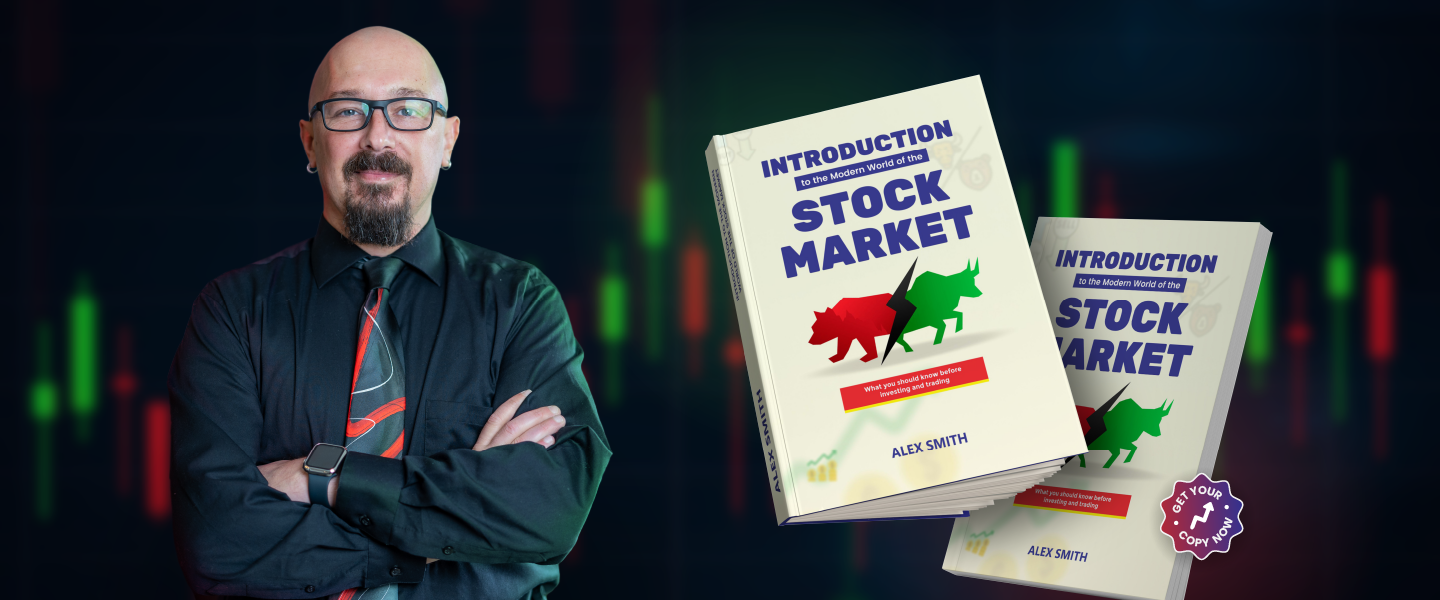
Check out Introduction to the Modern World of Day Trading Stocks on Amazon. It’s a fast and practical read for anyone looking to understand how day trading works and how to avoid costly rookie mistakes.

Introduction to the Modern World of Day Trading Stocks

About the Author

Abolade Akinfenwa is a multi-certified finance professional. He’s certified as a Financial Modeling & Valuation Analyst (FMVA)®, Capital Markets & Securities Analyst (CMSA)®, Commercial Banking & Credit Analyst (CBCA)®, Financial Planning & Wealth Management Professional (FPWM)™, and FinTech Industry Professional (FTIP)™. With over five years of experience as a content marketer, Abolade specializes in helping finance professionals build authority and generate qualified leads for their services. Interested in collaborating or seeking insights? Connect with Abolade via LinkedIn, X, or email.

Sources

At ACDS Publishing, we hold ourselves to the highest standard of accuracy and credibility, ensuring that our readers receive only the most verifiable and substantiated information. To achieve this, we rely on a rigorous approach that involves sourcing information from reliable primary sources, including white papers, government data, original reporting, and expert interviews. By employing these methods, we strive to deliver factual and authoritative content that our readers can confidently trust.

  1. Global Trading Platform – IB Trader Workstation | Interactive Brokers LLC
  2. Margin Rates and Financing | Interactive Brokers LLC
  3. Portfolio Management and Online Trading: Active Trader Pro – Fidelity
  4. Trading FAQs: Margin – Fidelity
  5. Paper Trading | Charles Schwab
  6. Webull – Invest in Stocks & Buy Fractional Shares
  7. Built For The Future of Trading | Robinhood

Why Day Traders Love Interactive Brokers

Here are a few reasons day traders prefer using Interactive Brokers

Powerful Trading Tools

At the heart of the platform is Trader Workstation (TWS), one of the most advanced trading terminals available [1].

It gives you full control over your layout, access to real-time scanners, complex order types, and even algorithmic trading.

If you like to tweak and optimize every part of your trading workflow, TWS gives you the flexibility to do it.

Ultra-Low Margin Rates

IBKR’s margin rates are among the lowest in the industry, starting at just 5.83% [2]. When you’re trading with leverage, those savings add up quickly, especially if you’re placing multiple trades a day.

Lower costs mean higher take-home profits.

Direct Market Access and Fast Execution

With IBKR, you can route orders directly to exchanges and benefit from rapid execution speeds.

This gives you more control over your fills and helps you avoid unnecessary slippage, which is key when every tick matters.

A Full-Featured Mobile App

Day trading isn’t always done from your desk, and IBKR’s mobile app makes sure you’re covered.

With it, you can monitor and execute trades confidently, even on the move.

If you like to switch between asset classes or build strategies across markets, this platform makes it seamless.

Potential Drawbacks of Using Interactive Brokers

While Interactive Brokers is packed with powerful features, it’s not without a few trade-offs, including the following:

Steeper Learning Curve

With all the tools, charts, and customization options available, IBKR can feel like a lot to take in, especially if you’re new to day trading.

The interface isn’t as intuitive as some beginner-friendly platforms, so expect to spend some time learning the ropes before you feel fully comfortable.

Limited Customer Support

Another area where IBKR could improve is customer service.

Some traders have noted inconsistent support, which can be frustrating when you’re facing time-sensitive issues during market hours.

If you’re not entirely confident in navigating the platform solo, this could be a challenge early on.

Best Features Reserved for Pro Users

While IBKR Lite offers commission-free trading, many of the platform’s best features, such as lower margin rates, more advanced tools, and direct routing, are only available through the Pro account.

If you’re not ready to make that jump, you might miss out on some of the benefits that make Interactive Brokers truly shine.

Overall, Interactive Brokers is best suited for intermediate and advanced day traders who know what they’re looking for and aren’t afraid to dive into a feature-rich environment.

If you want speed, low costs, and complete control over your trading strategy, and you’re willing to climb the learning curve, IBKR is one of the strongest platforms you can choose.

Fidelity: The Best Platform for Beginner Day Traders

If you’re just getting started with day trading and want a platform that’s both supportive and reliable, Fidelity is one of the best places to begin.

It strikes a rare balance, providing user-friendly tools and educational resources without sacrificing execution quality or core features.

Whether you’re learning how to manage risk, place your first trades, or understand market behavior, Fidelity makes the process feel approachable.

Why Fidelity Works for Beginners

Let’s break down why Fidelity works so well for beginners.

Easy-to-Use Trading Platform

At the center of Fidelity’s appeal is its Active Trader Pro platform [3].

The layout is clean, the dashboards are customizable, and the order entry is simple to use even if you’ve never placed a trade before.

Margin Calculator for Hypothetical Trades

Before placing a trade, you can use the built-in margin calculator to see how it might affect your buying power [4]. It’s a smart way to understand your exposure and avoid margin-related surprises.

No Payment for Order Flow (PFOF)

Unlike many brokers, Fidelity doesn’t accept payment for order flow (PFOF).

What that means for you is better execution quality: your trades are more likely to be filled at the best available price, not just routed for the broker’s profit.

For traders seeking clean fills, this can make a significant difference.

Live Education and Support

One of Fidelity’s biggest strengths is its ongoing education and live trader support. Whether it’s attending webinars, watching strategy sessions, or help docs, Fidelity gives you access to the guidance you need to get comfortable with trading strategies, platform features, and market rules.

Potential Drawbacks of Using Fidelity

While Fidelity shines as a beginner-friendly platform, it has a few limitations, especially as your trading needs evolve. Here are a few:

Not Ideal for High-Frequency or Algorithmic Trading

Fidelity is great for learning the ropes, but if you’re planning to scale into high-frequency or algorithmic trading, you might feel the limits.

The platform offers solid execution, but it’s not built for ultra-fast scalping or custom automation.

If milliseconds matter to your strategy, you may find yourself looking for a more advanced solution down the line.

Mobile App Lacks Advanced Features

Fidelity’s mobile app gets the job done, but it doesn’t quite stack up against platforms like Webull or Interactive Brokers when it comes to advanced features.

If you’re someone who trades actively from your phone, the app might be too basic for your needs.

No Direct Market Routing

Another limitation is the lack of direct market access. You won’t be able to route your orders to specific exchanges, which can matter once you start fine-tuning your execution strategy.

For newer traders, this might not be a big deal, but as you gain experience, you may want that extra level of control.

To sum it up, Fidelity is a fantastic choice for a beginner day trader seeking a safe, reliable platform with strong educational support and clean execution.

But as your strategy becomes more advanced, you might eventually outgrow some of its limitations.

If you value ease of use, helpful resources, and transparent pricing, Fidelity is a great place to start your trading journey.

Charles Schwab (thinkorswim™): Best for Desktop Trading and Research

If you’re the kind of day trader who thrives on detailed analysis and a powerful desktop setup, Charles Schwab’s thinkorswim™ platform should be high on your radar.

It delivers a feature-rich trading experience that’s built for precision, speed, and deep market insight, all wrapped into one highly customizable interface.

Whether you’re charting complex setups or scanning headlines for catalysts, thinkorswim gives you the tools to make smarter decisions, faster.

Why Day Traders Love thinkorswim™

Let’s take a closer look at why thinkorswim™ is a favorite among active traders.

Advanced Charting Tools

The charting capabilities on thinkorswim™ are second to none.

You get access to hundreds of technical indicators, drawing tools, and flexible layouts that can be tailored to your exact style.

Whether you swing trade intraday breakouts or scalp micro pullbacks, the platform makes it easy to track price action and adapt on the fly.

Access to Advanced Orders

Precision matters in day trading, and thinkorswim™ delivers with a full suite of advanced order types.

Whether you’re using conditional orders to trigger trades based on market conditions or bracket orders to automate your exits, you gain more control over your strategy.

Integrated News and Economic Data

One of the standout features of thinkorswim is its ability to pull in a wealth of real-time information.

From live news via Schwab Network to earnings reports and economic data straight from FRED, everything you need to stay informed is built right in.

That means fewer tabs, faster reaction times, and more informed trades.

Built-in Paper Trading and Strategy Testing

The platform offers a robust paper trading feature, allowing you to test setups without risking real money [5].

Transparent Margin

Thinkorswim™ also offers clear margin calculations.

You’ll see the margin impact before placing a trade and receive a breakdown of your post-trade balances.

That kind of transparency makes it easier to manage risk and avoid overleveraging, especially when trading with limited capital or carefully scaling positions.

Potential Drawbacks of Using thinkorswim™

While thinkorswim™ packs a punch for serious desktop traders, it does come with a few limitations that are worth considering, including the following:

Desktop-Focused Experience

Thinkorswim™ was built with desktop power users in mind.

The platform excels when you’re working with multiple monitors. But if you rely heavily on mobile trading, the app may be underwhelming.

It gets the basics done, but it lacks some of the depth and functionality that mobile-first platforms like Webull or IBKR offer.

Can Feel Overwhelming for New Traders

There’s no sugarcoating it: thinkorswim™ isn’t the easiest platform to learn if you’re new to day trading.

If you’re still learning how to read charts or manage orders, expect a learning curve as you get familiar with everything.

No Direct Market Routing

One more thing to keep in mind is order execution.

Unlike platforms that offer direct market access, thinkorswim™ routes orders through Schwab’s internal system.

This can result in slightly slower fills during fast-moving conditions, which may be significant if you’re scalping or trading momentum plays where every second counts.

Bottom Line: Thinkorswim is a standout choice for desktop traders who love technical analysis, in-depth research, and building a highly customized trading workspace.

However, if you’re looking for lightning-fast mobile execution or are just starting day trading, some of its complexity and routing limitations may slow you down.

Still, for traders who enjoy digging into charts and making data-driven decisions, it’s one of the most powerful platforms available.

Webull: Best Free App for Mobile Day Trading

If you’re looking for a sleek, powerful trading app that won’t cost you a dime in commissions, Webull is one of the best mobile platforms out there.

It’s designed for traders who want advanced tools, real-time data, and a clean interface, all without being tied to a desktop setup.

Whether you’re tracking charts on your lunch break or managing trades on the go, Webull delivers the kind of mobile-first experience that day traders need.

Why Day Traders Love Webull

Let’s break down what makes Webull so appealing for day traders. They include the following:

Commission-Free Trading

Webull lets you trade stocks, options, and ETFs with zero commissions, which is a huge plus when you’re placing multiple trades a day [7].

It helps you protect your bottom line and stretch your gains further, which is especially important if you’re working with a smaller account.

Advanced Charting Right on Mobile

You don’t have to sacrifice technical analysis just because you’re on a phone.

Webull offers over 50 indicators, multiple chart types, and drawing tools, right inside the mobile app.

You can analyze setups, spot trends, and place trades without needing a desktop.

Paper Trading with Virtual Funds

Not quite ready to go live?

Webull includes a paper trading feature that lets you test your strategies with virtual funds.

It’s a risk-free way to get comfortable with the platform, experiment with setups, and build confidence before putting real money on the line.

Access to Fractional Shares

Webull also supports fractional share trading, allowing you to buy portions of high-priced stocks, such as Amazon or Tesla [6].

This makes it easier to diversify your portfolio or test out new trade ideas, even if you’re starting with a modest account.

Clean, Intuitive Interface

One of the standout features of Webull is its streamlined design.

The app feels fast, modern, and uncluttered, allowing you to place trades quickly without being bogged down by unnecessary distractions.

When speed matters, a simple interface can make all the difference.

Potential Drawbacks of Using Webull

While Webull shines as a mobile-first, commission-free trading app, it’s not without its limitations.

Depending on your trading style and what tools you rely on, a few things might hold you back as you grow more advanced, including the following:

Limited Fundamental Research

If your trading strategy relies heavily on fundamental analysis, such as examining earnings reports, balance sheets, or analyst ratings, Webull may feel lacking.

Its focus is more on charts, price action, and technical indicators. That’s great for pure traders, but not ideal if you also want to evaluate a company’s long-term potential alongside short-term setups.

No Live Support via Phone

Customer service is another area where Webull can fall short.

The platform mainly handles inquiries through email and chat, with no phone support available during trading hours.

If something goes wrong during a trade, the lack of live voice support can be frustrating, especially when seconds matter.

No Direct Market Access

Webull is built for simplicity, but that also means it doesn’t offer direct market routing. If you’re looking to scale up and use strategies that rely on precise routing control, you may eventually hit a ceiling with what Webull can offer.

All in all, Webull is a fantastic option for beginners or intermediate day traders who prefer trading on mobile and want to avoid high fees.

It’s particularly useful if you’re building experience and want to grow without high platform fees.

Just keep in mind that as you advance, you may start craving more robust research tools and greater control over execution.

Robinhood: Best for Simplicity and 24-Hour Trading

If you want a hassle-free way to jump into the markets, especially with the flexibility to trade outside regular hours, Robinhood is one of the easiest platforms to get started with.

It’s built around simplicity, featuring a clean design and 24-hour weekday trading access, which gives you the freedom to act whenever opportunity arises.

Whether you’re a new trader learning the ropes or someone who prefers a clutter-free experience, Robinhood keeps things straightforward without sacrificing functionality.

Why Day Traders Like Robinhood

Let’s take a closer look at why many day traders, especially those just starting, are drawn to Robinhood.

Simple, User-Friendly Interface

Robinhood’s biggest strength is its clean and intuitive layout.

Even if you’ve never placed a trade before, you’ll find it easy to explore charts, place orders, and monitor your portfolio.

There’s no steep learning curve; you can open the app and start trading immediately. For beginners or casual traders, that kind of simplicity can be a big confidence booster.

24-Hour Weekday Trading Access

One feature that stands out is Robinhood’s 24/5 trading capability for select stocks and ETFs.

That means you can react to earnings announcements, economic data, or overseas events without waiting for the opening bell.

It’s especially useful if you have a day job, live in a different time zone, or want to trade on your schedule.

Zero Commissions Across the Board

Robinhood charges no commissions on trades involving stocks, ETFs, options, or even crypto.

If you’re placing multiple trades per week, these savings can add up quickly. It’s a great way to grow your account without watching fees eat into your profits.

Pattern Day Trade (PDT) Protection

If you’re using a smaller account, the PDT rule can be tricky.

Robinhood helps by notifying you as you approach the limit, so you don’t accidentally trigger a restriction.

This is a handy feature for new traders who are still getting familiar with trading rules.

Start Small with Fractional Shares

Don’t have enough to buy a full share of a pricey stock like Google or Amazon? No problem.

Robinhood allows fractional share investing, so you can start building a portfolio with just a few dollars. This makes it easier to diversify, even if your starting capital is limited.

Potential Drawbacks of Using Robinhood

While Robinhood nails the simplicity and convenience side of day trading, it does come with a few trade-offs, including the following:

Limited Advanced Tools

Robinhood doesn’t offer Level 2 quotes, direct market routing, or complex order types.

It’s designed for ease of use, rather than for traders who require granular execution control or advanced setup flexibility.

For those who rely on detailed market data or precision order management, the platform can feel limiting.

No Paper Trading Feature

Robinhood doesn’t currently support paper trading, so there’s no way to test strategies using virtual funds.

That’s a setback if you’re a new trader who wants to practice risk-free before going live.

Without a sandbox environment, your only option is to learn in real time with real money.

Inconsistent Customer Support

Although Robinhood has made strides in improving its customer service, response times can still be unpredictable, especially during peak trading hours.

If you encounter an urgent issue and are unable to reach someone quickly, it can be frustrating and even costly.

Ultimately, Robinhood is a solid choice for beginners or casual day traders who prioritize ease of use, 24-hour trading access, and commission-free trades.

It’s best suited for traders who want a no-hassle way to enter and exit positions without getting bogged down by technical tools or complicated platforms.

How to Choose the Right Platform for You

Picking the right day trading platform isn’t just about flashy tools or low fees. It’s about finding one that aligns with your goals, strategy, and trading style.

Here’s how to make a wise choice that supports your long-term success.

Figure out Your Trading Style

Before diving into features, ask yourself a few key questions.

  • Are you trading stocks, options, crypto, or a mix of all three?
  • Do you need fast execution and direct market access, or are you more focused on simplicity and learning the basics?
  • Do you plan to automate trades or place them manually?

Knowing how you prefer to trade will help you narrow down to platforms that truly meet your needs.

Find the Right Balance Between Usability and Features

If you’re just starting, a clean and intuitive interface can make all the difference. You don’t want to get lost in endless menus or overly complex dashboards.

On the other hand, experienced traders may need tools such as advanced charting, hotkeys, and customizable order types.

The ideal platform strikes the right balance of ease and power, based on where you are in your trading journey.

Look for Paper Trading and Education Tools

Paper trading is a tremendous asset if you’re still learning or trying a new strategy.

Being able to practice with virtual funds helps you gain confidence without risking real money.

Some platforms also offer educational content, live webinars, and market analysis, all of which are valuable resources for enhancing your skills.

Compare Margin Rates and Account Requirements

Since many day traders use margin to amplify their buying power, it is essential to compare margin rates across various platforms.

Lower rates mean lower costs, especially if you’re placing multiple trades a day.

Also, be sure to check account minimums and whether there are tiered pricing models that reward frequent trading.

Don’t Overlook Mobile Performance

You won’t always be at your desk when the market moves.

If you plan to trade from your phone or tablet, the mobile app needs to be fast, reliable, and fully functional.

Look for features such as order editing, real-time data, and smooth charting on mobile devices. A laggy app can cost you money.

Read Real Trader Reviews on TrustPilot

Want the real scoop on a trading platform? See what other traders are saying.

TrustPilot reviews can provide you with honest insights into aspects such as customer support, reliability, and hidden pain points that may not be evident in marketing materials.

Below are the direct links to the TrustPilot review pages for each platform covered in this article:

Test the Platform if Possible

Finally, take the platform for a spin before committing.

Some brokers offer free trials or demo accounts, allowing you to explore the interface, test the tools, and assess how the platform performs under pressure.

It’s the best way to make sure it actually works the way you want to trade.

The Bottom Line

At the end of the day, the best day trading platform is the one that fits how you trade.

There’s no one-size-fits-all.

If you’re a data-driven trader who wants speed and customizability, Interactive Brokers or thinkorswim might be your best bet.

If you’re new to trading or prefer a clean mobile interface, Webull or Robinhood could be the smarter move.

that fits how you trade.

What matters most is choosing a platform that aligns with your trading style, supports your growth, and helps you manage risk effectively.

Test a few out, read real reviews, and don’t be afraid to switch if something’s not working.

Your trading tools should work for you, not against you.

Want to take your learning a step further?

Check out Introduction to the Modern World of Day Trading Stocks on Amazon. It’s a fast and practical read for anyone looking to understand how day trading works and how to avoid costly rookie mistakes.

Introduction to the Modern World of Day Trading Stocks

About the Author

Abolade Akinfenwa is a multi-certified finance professional. He’s certified as a Financial Modeling & Valuation Analyst (FMVA)®, Capital Markets & Securities Analyst (CMSA)®, Commercial Banking & Credit Analyst (CBCA)®, Financial Planning & Wealth Management Professional (FPWM)™, and FinTech Industry Professional (FTIP)™. With over five years of experience as a content marketer, Abolade specializes in helping finance professionals build authority and generate qualified leads for their services. Interested in collaborating or seeking insights? Connect with Abolade via LinkedIn, X, or email.

Sources

At ACDS Publishing, we hold ourselves to the highest standard of accuracy and credibility, ensuring that our readers receive only the most verifiable and substantiated information. To achieve this, we rely on a rigorous approach that involves sourcing information from reliable primary sources, including white papers, government data, original reporting, and expert interviews. By employing these methods, we strive to deliver factual and authoritative content that our readers can confidently trust.

  1. Global Trading Platform – IB Trader Workstation | Interactive Brokers LLC
  2. Margin Rates and Financing | Interactive Brokers LLC
  3. Portfolio Management and Online Trading: Active Trader Pro – Fidelity
  4. Trading FAQs: Margin – Fidelity
  5. Paper Trading | Charles Schwab
  6. Webull – Invest in Stocks & Buy Fractional Shares
  7. Built For The Future of Trading | Robinhood

Get newsletter updates from Alex


    No spam. Just the highest quality ideas that will teach you how to build wealth via the stock market.

    So, what makes it the top pick for 2025? Let’s break it down.

    Why Day Traders Love Interactive Brokers

    Here are a few reasons day traders prefer using Interactive Brokers

    Powerful Trading Tools

    At the heart of the platform is Trader Workstation (TWS), one of the most advanced trading terminals available [1].

    It gives you full control over your layout, access to real-time scanners, complex order types, and even algorithmic trading.

    If you like to tweak and optimize every part of your trading workflow, TWS gives you the flexibility to do it.

    Ultra-Low Margin Rates

    IBKR’s margin rates are among the lowest in the industry, starting at just 5.83% [2]. When you’re trading with leverage, those savings add up quickly, especially if you’re placing multiple trades a day.

    Lower costs mean higher take-home profits.

    Direct Market Access and Fast Execution

    With IBKR, you can route orders directly to exchanges and benefit from rapid execution speeds.

    This gives you more control over your fills and helps you avoid unnecessary slippage, which is key when every tick matters.

    A Full-Featured Mobile App

    Day trading isn’t always done from your desk, and IBKR’s mobile app makes sure you’re covered.

    With it, you can monitor and execute trades confidently, even on the move.

    If you like to switch between asset classes or build strategies across markets, this platform makes it seamless.

    Potential Drawbacks of Using Interactive Brokers

    While Interactive Brokers is packed with powerful features, it’s not without a few trade-offs, including the following:

    Steeper Learning Curve

    With all the tools, charts, and customization options available, IBKR can feel like a lot to take in, especially if you’re new to day trading.

    The interface isn’t as intuitive as some beginner-friendly platforms, so expect to spend some time learning the ropes before you feel fully comfortable.

    Limited Customer Support

    Another area where IBKR could improve is customer service.

    Some traders have noted inconsistent support, which can be frustrating when you’re facing time-sensitive issues during market hours.

    If you’re not entirely confident in navigating the platform solo, this could be a challenge early on.

    Best Features Reserved for Pro Users

    While IBKR Lite offers commission-free trading, many of the platform’s best features, such as lower margin rates, more advanced tools, and direct routing, are only available through the Pro account.

    If you’re not ready to make that jump, you might miss out on some of the benefits that make Interactive Brokers truly shine.

    Overall, Interactive Brokers is best suited for intermediate and advanced day traders who know what they’re looking for and aren’t afraid to dive into a feature-rich environment.

    If you want speed, low costs, and complete control over your trading strategy, and you’re willing to climb the learning curve, IBKR is one of the strongest platforms you can choose.

    Fidelity: The Best Platform for Beginner Day Traders

    If you’re just getting started with day trading and want a platform that’s both supportive and reliable, Fidelity is one of the best places to begin.

    It strikes a rare balance, providing user-friendly tools and educational resources without sacrificing execution quality or core features.

    Whether you’re learning how to manage risk, place your first trades, or understand market behavior, Fidelity makes the process feel approachable.

    Why Fidelity Works for Beginners

    Let’s break down why Fidelity works so well for beginners.

    Easy-to-Use Trading Platform

    At the center of Fidelity’s appeal is its Active Trader Pro platform [3].

    The layout is clean, the dashboards are customizable, and the order entry is simple to use even if you’ve never placed a trade before.

    Margin Calculator for Hypothetical Trades

    Before placing a trade, you can use the built-in margin calculator to see how it might affect your buying power [4]. It’s a smart way to understand your exposure and avoid margin-related surprises.

    No Payment for Order Flow (PFOF)

    Unlike many brokers, Fidelity doesn’t accept payment for order flow (PFOF).

    What that means for you is better execution quality: your trades are more likely to be filled at the best available price, not just routed for the broker’s profit.

    For traders seeking clean fills, this can make a significant difference.

    Live Education and Support

    One of Fidelity’s biggest strengths is its ongoing education and live trader support. Whether it’s attending webinars, watching strategy sessions, or help docs, Fidelity gives you access to the guidance you need to get comfortable with trading strategies, platform features, and market rules.

    Potential Drawbacks of Using Fidelity

    While Fidelity shines as a beginner-friendly platform, it has a few limitations, especially as your trading needs evolve. Here are a few:

    Not Ideal for High-Frequency or Algorithmic Trading

    Fidelity is great for learning the ropes, but if you’re planning to scale into high-frequency or algorithmic trading, you might feel the limits.

    The platform offers solid execution, but it’s not built for ultra-fast scalping or custom automation.

    If milliseconds matter to your strategy, you may find yourself looking for a more advanced solution down the line.

    Mobile App Lacks Advanced Features

    Fidelity’s mobile app gets the job done, but it doesn’t quite stack up against platforms like Webull or Interactive Brokers when it comes to advanced features.

    If you’re someone who trades actively from your phone, the app might be too basic for your needs.

    No Direct Market Routing

    Another limitation is the lack of direct market access. You won’t be able to route your orders to specific exchanges, which can matter once you start fine-tuning your execution strategy.

    For newer traders, this might not be a big deal, but as you gain experience, you may want that extra level of control.

    To sum it up, Fidelity is a fantastic choice for a beginner day trader seeking a safe, reliable platform with strong educational support and clean execution.

    But as your strategy becomes more advanced, you might eventually outgrow some of its limitations.

    If you value ease of use, helpful resources, and transparent pricing, Fidelity is a great place to start your trading journey.

    Charles Schwab (thinkorswim™): Best for Desktop Trading and Research

    If you’re the kind of day trader who thrives on detailed analysis and a powerful desktop setup, Charles Schwab’s thinkorswim™ platform should be high on your radar.

    It delivers a feature-rich trading experience that’s built for precision, speed, and deep market insight, all wrapped into one highly customizable interface.

    Whether you’re charting complex setups or scanning headlines for catalysts, thinkorswim gives you the tools to make smarter decisions, faster.

    Why Day Traders Love thinkorswim™

    Let’s take a closer look at why thinkorswim™ is a favorite among active traders.

    Advanced Charting Tools

    The charting capabilities on thinkorswim™ are second to none.

    You get access to hundreds of technical indicators, drawing tools, and flexible layouts that can be tailored to your exact style.

    Whether you swing trade intraday breakouts or scalp micro pullbacks, the platform makes it easy to track price action and adapt on the fly.

    Access to Advanced Orders

    Precision matters in day trading, and thinkorswim™ delivers with a full suite of advanced order types.

    Whether you’re using conditional orders to trigger trades based on market conditions or bracket orders to automate your exits, you gain more control over your strategy.

    Integrated News and Economic Data

    One of the standout features of thinkorswim is its ability to pull in a wealth of real-time information.

    From live news via Schwab Network to earnings reports and economic data straight from FRED, everything you need to stay informed is built right in.

    That means fewer tabs, faster reaction times, and more informed trades.

    Built-in Paper Trading and Strategy Testing

    The platform offers a robust paper trading feature, allowing you to test setups without risking real money [5].

    Transparent Margin

    Thinkorswim™ also offers clear margin calculations.

    You’ll see the margin impact before placing a trade and receive a breakdown of your post-trade balances.

    That kind of transparency makes it easier to manage risk and avoid overleveraging, especially when trading with limited capital or carefully scaling positions.

    Potential Drawbacks of Using thinkorswim™

    While thinkorswim™ packs a punch for serious desktop traders, it does come with a few limitations that are worth considering, including the following:

    Desktop-Focused Experience

    Thinkorswim™ was built with desktop power users in mind.

    The platform excels when you’re working with multiple monitors. But if you rely heavily on mobile trading, the app may be underwhelming.

    It gets the basics done, but it lacks some of the depth and functionality that mobile-first platforms like Webull or IBKR offer.

    Can Feel Overwhelming for New Traders

    There’s no sugarcoating it: thinkorswim™ isn’t the easiest platform to learn if you’re new to day trading.

    If you’re still learning how to read charts or manage orders, expect a learning curve as you get familiar with everything.

    No Direct Market Routing

    One more thing to keep in mind is order execution.

    Unlike platforms that offer direct market access, thinkorswim™ routes orders through Schwab’s internal system.

    This can result in slightly slower fills during fast-moving conditions, which may be significant if you’re scalping or trading momentum plays where every second counts.

    Bottom Line: Thinkorswim is a standout choice for desktop traders who love technical analysis, in-depth research, and building a highly customized trading workspace.

    However, if you’re looking for lightning-fast mobile execution or are just starting day trading, some of its complexity and routing limitations may slow you down.

    Still, for traders who enjoy digging into charts and making data-driven decisions, it’s one of the most powerful platforms available.

    Webull: Best Free App for Mobile Day Trading

    If you’re looking for a sleek, powerful trading app that won’t cost you a dime in commissions, Webull is one of the best mobile platforms out there.

    It’s designed for traders who want advanced tools, real-time data, and a clean interface, all without being tied to a desktop setup.

    Whether you’re tracking charts on your lunch break or managing trades on the go, Webull delivers the kind of mobile-first experience that day traders need.

    Why Day Traders Love Webull

    Let’s break down what makes Webull so appealing for day traders. They include the following:

    Commission-Free Trading

    Webull lets you trade stocks, options, and ETFs with zero commissions, which is a huge plus when you’re placing multiple trades a day [7].

    It helps you protect your bottom line and stretch your gains further, which is especially important if you’re working with a smaller account.

    Advanced Charting Right on Mobile

    You don’t have to sacrifice technical analysis just because you’re on a phone.

    Webull offers over 50 indicators, multiple chart types, and drawing tools, right inside the mobile app.

    You can analyze setups, spot trends, and place trades without needing a desktop.

    Paper Trading with Virtual Funds

    Not quite ready to go live?

    Webull includes a paper trading feature that lets you test your strategies with virtual funds.

    It’s a risk-free way to get comfortable with the platform, experiment with setups, and build confidence before putting real money on the line.

    Access to Fractional Shares

    Webull also supports fractional share trading, allowing you to buy portions of high-priced stocks, such as Amazon or Tesla [6].

    This makes it easier to diversify your portfolio or test out new trade ideas, even if you’re starting with a modest account.

    Clean, Intuitive Interface

    One of the standout features of Webull is its streamlined design.

    The app feels fast, modern, and uncluttered, allowing you to place trades quickly without being bogged down by unnecessary distractions.

    When speed matters, a simple interface can make all the difference.

    Potential Drawbacks of Using Webull

    While Webull shines as a mobile-first, commission-free trading app, it’s not without its limitations.

    Depending on your trading style and what tools you rely on, a few things might hold you back as you grow more advanced, including the following:

    Limited Fundamental Research

    If your trading strategy relies heavily on fundamental analysis, such as examining earnings reports, balance sheets, or analyst ratings, Webull may feel lacking.

    Its focus is more on charts, price action, and technical indicators. That’s great for pure traders, but not ideal if you also want to evaluate a company’s long-term potential alongside short-term setups.

    No Live Support via Phone

    Customer service is another area where Webull can fall short.

    The platform mainly handles inquiries through email and chat, with no phone support available during trading hours.

    If something goes wrong during a trade, the lack of live voice support can be frustrating, especially when seconds matter.

    No Direct Market Access

    Webull is built for simplicity, but that also means it doesn’t offer direct market routing. If you’re looking to scale up and use strategies that rely on precise routing control, you may eventually hit a ceiling with what Webull can offer.

    All in all, Webull is a fantastic option for beginners or intermediate day traders who prefer trading on mobile and want to avoid high fees.

    It’s particularly useful if you’re building experience and want to grow without high platform fees.

    Just keep in mind that as you advance, you may start craving more robust research tools and greater control over execution.

    Robinhood: Best for Simplicity and 24-Hour Trading

    If you want a hassle-free way to jump into the markets, especially with the flexibility to trade outside regular hours, Robinhood is one of the easiest platforms to get started with.

    It’s built around simplicity, featuring a clean design and 24-hour weekday trading access, which gives you the freedom to act whenever opportunity arises.

    Whether you’re a new trader learning the ropes or someone who prefers a clutter-free experience, Robinhood keeps things straightforward without sacrificing functionality.

    Why Day Traders Like Robinhood

    Let’s take a closer look at why many day traders, especially those just starting, are drawn to Robinhood.

    Simple, User-Friendly Interface

    Robinhood’s biggest strength is its clean and intuitive layout.

    Even if you’ve never placed a trade before, you’ll find it easy to explore charts, place orders, and monitor your portfolio.

    There’s no steep learning curve; you can open the app and start trading immediately. For beginners or casual traders, that kind of simplicity can be a big confidence booster.

    24-Hour Weekday Trading Access

    One feature that stands out is Robinhood’s 24/5 trading capability for select stocks and ETFs.

    That means you can react to earnings announcements, economic data, or overseas events without waiting for the opening bell.

    It’s especially useful if you have a day job, live in a different time zone, or want to trade on your schedule.

    Zero Commissions Across the Board

    Robinhood charges no commissions on trades involving stocks, ETFs, options, or even crypto.

    If you’re placing multiple trades per week, these savings can add up quickly. It’s a great way to grow your account without watching fees eat into your profits.

    Pattern Day Trade (PDT) Protection

    If you’re using a smaller account, the PDT rule can be tricky.

    Robinhood helps by notifying you as you approach the limit, so you don’t accidentally trigger a restriction.

    This is a handy feature for new traders who are still getting familiar with trading rules.

    Start Small with Fractional Shares

    Don’t have enough to buy a full share of a pricey stock like Google or Amazon? No problem.

    Robinhood allows fractional share investing, so you can start building a portfolio with just a few dollars. This makes it easier to diversify, even if your starting capital is limited.

    Potential Drawbacks of Using Robinhood

    While Robinhood nails the simplicity and convenience side of day trading, it does come with a few trade-offs, including the following:

    Limited Advanced Tools

    Robinhood doesn’t offer Level 2 quotes, direct market routing, or complex order types.

    It’s designed for ease of use, rather than for traders who require granular execution control or advanced setup flexibility.

    For those who rely on detailed market data or precision order management, the platform can feel limiting.

    No Paper Trading Feature

    Robinhood doesn’t currently support paper trading, so there’s no way to test strategies using virtual funds.

    That’s a setback if you’re a new trader who wants to practice risk-free before going live.

    Without a sandbox environment, your only option is to learn in real time with real money.

    Inconsistent Customer Support

    Although Robinhood has made strides in improving its customer service, response times can still be unpredictable, especially during peak trading hours.

    If you encounter an urgent issue and are unable to reach someone quickly, it can be frustrating and even costly.

    Ultimately, Robinhood is a solid choice for beginners or casual day traders who prioritize ease of use, 24-hour trading access, and commission-free trades.

    It’s best suited for traders who want a no-hassle way to enter and exit positions without getting bogged down by technical tools or complicated platforms.

    How to Choose the Right Platform for You

    Picking the right day trading platform isn’t just about flashy tools or low fees. It’s about finding one that aligns with your goals, strategy, and trading style.

    Here’s how to make a wise choice that supports your long-term success.

    Figure out Your Trading Style

    Before diving into features, ask yourself a few key questions.

    • Are you trading stocks, options, crypto, or a mix of all three?
    • Do you need fast execution and direct market access, or are you more focused on simplicity and learning the basics?
    • Do you plan to automate trades or place them manually?

    Knowing how you prefer to trade will help you narrow down to platforms that truly meet your needs.

    Find the Right Balance Between Usability and Features

    If you’re just starting, a clean and intuitive interface can make all the difference. You don’t want to get lost in endless menus or overly complex dashboards.

    On the other hand, experienced traders may need tools such as advanced charting, hotkeys, and customizable order types.

    The ideal platform strikes the right balance of ease and power, based on where you are in your trading journey.

    Look for Paper Trading and Education Tools

    Paper trading is a tremendous asset if you’re still learning or trying a new strategy.

    Being able to practice with virtual funds helps you gain confidence without risking real money.

    Some platforms also offer educational content, live webinars, and market analysis, all of which are valuable resources for enhancing your skills.

    Compare Margin Rates and Account Requirements

    Since many day traders use margin to amplify their buying power, it is essential to compare margin rates across various platforms.

    Lower rates mean lower costs, especially if you’re placing multiple trades a day.

    Also, be sure to check account minimums and whether there are tiered pricing models that reward frequent trading.

    Don’t Overlook Mobile Performance

    You won’t always be at your desk when the market moves.

    If you plan to trade from your phone or tablet, the mobile app needs to be fast, reliable, and fully functional.

    Look for features such as order editing, real-time data, and smooth charting on mobile devices. A laggy app can cost you money.

    Read Real Trader Reviews on TrustPilot

    Want the real scoop on a trading platform? See what other traders are saying.

    TrustPilot reviews can provide you with honest insights into aspects such as customer support, reliability, and hidden pain points that may not be evident in marketing materials.

    Below are the direct links to the TrustPilot review pages for each platform covered in this article:

    Test the Platform if Possible

    Finally, take the platform for a spin before committing.

    Some brokers offer free trials or demo accounts, allowing you to explore the interface, test the tools, and assess how the platform performs under pressure.

    It’s the best way to make sure it actually works the way you want to trade.

    The Bottom Line

    At the end of the day, the best day trading platform is the one that fits how you trade.

    There’s no one-size-fits-all.

    If you’re a data-driven trader who wants speed and customizability, Interactive Brokers or thinkorswim might be your best bet.

    If you’re new to trading or prefer a clean mobile interface, Webull or Robinhood could be the smarter move.

    that fits how you trade.

    What matters most is choosing a platform that aligns with your trading style, supports your growth, and helps you manage risk effectively.

    Test a few out, read real reviews, and don’t be afraid to switch if something’s not working.

    Your trading tools should work for you, not against you.

    Want to take your learning a step further?

    Check out Introduction to the Modern World of Day Trading Stocks on Amazon. It’s a fast and practical read for anyone looking to understand how day trading works and how to avoid costly rookie mistakes.

    Introduction to the Modern World of Day Trading Stocks

    About the Author

    Abolade Akinfenwa is a multi-certified finance professional. He’s certified as a Financial Modeling & Valuation Analyst (FMVA)®, Capital Markets & Securities Analyst (CMSA)®, Commercial Banking & Credit Analyst (CBCA)®, Financial Planning & Wealth Management Professional (FPWM)™, and FinTech Industry Professional (FTIP)™. With over five years of experience as a content marketer, Abolade specializes in helping finance professionals build authority and generate qualified leads for their services. Interested in collaborating or seeking insights? Connect with Abolade via LinkedIn, X, or email.

    Sources

    At ACDS Publishing, we hold ourselves to the highest standard of accuracy and credibility, ensuring that our readers receive only the most verifiable and substantiated information. To achieve this, we rely on a rigorous approach that involves sourcing information from reliable primary sources, including white papers, government data, original reporting, and expert interviews. By employing these methods, we strive to deliver factual and authoritative content that our readers can confidently trust.

    1. Global Trading Platform – IB Trader Workstation | Interactive Brokers LLC
    2. Margin Rates and Financing | Interactive Brokers LLC
    3. Portfolio Management and Online Trading: Active Trader Pro – Fidelity
    4. Trading FAQs: Margin – Fidelity
    5. Paper Trading | Charles Schwab
    6. Webull – Invest in Stocks & Buy Fractional Shares
    7. Built For The Future of Trading | Robinhood

    Get newsletter updates from Alex


      No spam. Just the highest quality ideas that will teach you how to build wealth via the stock market.

      If you’re looking for a professional-grade platform that delivers speed, flexibility, and precision, Interactive Brokers (IBKR) is hard to beat. Institutional traders and active retail traders trust it for its robust tools, global reach, and ultra-competitive pricing.

      So, what makes it the top pick for 2025? Let’s break it down.

      Why Day Traders Love Interactive Brokers

      Here are a few reasons day traders prefer using Interactive Brokers

      Powerful Trading Tools

      At the heart of the platform is Trader Workstation (TWS), one of the most advanced trading terminals available [1].

      It gives you full control over your layout, access to real-time scanners, complex order types, and even algorithmic trading.

      If you like to tweak and optimize every part of your trading workflow, TWS gives you the flexibility to do it.

      Ultra-Low Margin Rates

      IBKR’s margin rates are among the lowest in the industry, starting at just 5.83% [2]. When you’re trading with leverage, those savings add up quickly, especially if you’re placing multiple trades a day.

      Lower costs mean higher take-home profits.

      Direct Market Access and Fast Execution

      With IBKR, you can route orders directly to exchanges and benefit from rapid execution speeds.

      This gives you more control over your fills and helps you avoid unnecessary slippage, which is key when every tick matters.

      A Full-Featured Mobile App

      Day trading isn’t always done from your desk, and IBKR’s mobile app makes sure you’re covered.

      With it, you can monitor and execute trades confidently, even on the move.

      If you like to switch between asset classes or build strategies across markets, this platform makes it seamless.

      Potential Drawbacks of Using Interactive Brokers

      While Interactive Brokers is packed with powerful features, it’s not without a few trade-offs, including the following:

      Steeper Learning Curve

      With all the tools, charts, and customization options available, IBKR can feel like a lot to take in, especially if you’re new to day trading.

      The interface isn’t as intuitive as some beginner-friendly platforms, so expect to spend some time learning the ropes before you feel fully comfortable.

      Limited Customer Support

      Another area where IBKR could improve is customer service.

      Some traders have noted inconsistent support, which can be frustrating when you’re facing time-sensitive issues during market hours.

      If you’re not entirely confident in navigating the platform solo, this could be a challenge early on.

      Best Features Reserved for Pro Users

      While IBKR Lite offers commission-free trading, many of the platform’s best features, such as lower margin rates, more advanced tools, and direct routing, are only available through the Pro account.

      If you’re not ready to make that jump, you might miss out on some of the benefits that make Interactive Brokers truly shine.

      Overall, Interactive Brokers is best suited for intermediate and advanced day traders who know what they’re looking for and aren’t afraid to dive into a feature-rich environment.

      If you want speed, low costs, and complete control over your trading strategy, and you’re willing to climb the learning curve, IBKR is one of the strongest platforms you can choose.

      Fidelity: The Best Platform for Beginner Day Traders

      If you’re just getting started with day trading and want a platform that’s both supportive and reliable, Fidelity is one of the best places to begin.

      It strikes a rare balance, providing user-friendly tools and educational resources without sacrificing execution quality or core features.

      Whether you’re learning how to manage risk, place your first trades, or understand market behavior, Fidelity makes the process feel approachable.

      Why Fidelity Works for Beginners

      Let’s break down why Fidelity works so well for beginners.

      Easy-to-Use Trading Platform

      At the center of Fidelity’s appeal is its Active Trader Pro platform [3].

      The layout is clean, the dashboards are customizable, and the order entry is simple to use even if you’ve never placed a trade before.

      Margin Calculator for Hypothetical Trades

      Before placing a trade, you can use the built-in margin calculator to see how it might affect your buying power [4]. It’s a smart way to understand your exposure and avoid margin-related surprises.

      No Payment for Order Flow (PFOF)

      Unlike many brokers, Fidelity doesn’t accept payment for order flow (PFOF).

      What that means for you is better execution quality: your trades are more likely to be filled at the best available price, not just routed for the broker’s profit.

      For traders seeking clean fills, this can make a significant difference.

      Live Education and Support

      One of Fidelity’s biggest strengths is its ongoing education and live trader support. Whether it’s attending webinars, watching strategy sessions, or help docs, Fidelity gives you access to the guidance you need to get comfortable with trading strategies, platform features, and market rules.

      Potential Drawbacks of Using Fidelity

      While Fidelity shines as a beginner-friendly platform, it has a few limitations, especially as your trading needs evolve. Here are a few:

      Not Ideal for High-Frequency or Algorithmic Trading

      Fidelity is great for learning the ropes, but if you’re planning to scale into high-frequency or algorithmic trading, you might feel the limits.

      The platform offers solid execution, but it’s not built for ultra-fast scalping or custom automation.

      If milliseconds matter to your strategy, you may find yourself looking for a more advanced solution down the line.

      Mobile App Lacks Advanced Features

      Fidelity’s mobile app gets the job done, but it doesn’t quite stack up against platforms like Webull or Interactive Brokers when it comes to advanced features.

      If you’re someone who trades actively from your phone, the app might be too basic for your needs.

      No Direct Market Routing

      Another limitation is the lack of direct market access. You won’t be able to route your orders to specific exchanges, which can matter once you start fine-tuning your execution strategy.

      For newer traders, this might not be a big deal, but as you gain experience, you may want that extra level of control.

      To sum it up, Fidelity is a fantastic choice for a beginner day trader seeking a safe, reliable platform with strong educational support and clean execution.

      But as your strategy becomes more advanced, you might eventually outgrow some of its limitations.

      If you value ease of use, helpful resources, and transparent pricing, Fidelity is a great place to start your trading journey.

      Charles Schwab (thinkorswim™): Best for Desktop Trading and Research

      If you’re the kind of day trader who thrives on detailed analysis and a powerful desktop setup, Charles Schwab’s thinkorswim™ platform should be high on your radar.

      It delivers a feature-rich trading experience that’s built for precision, speed, and deep market insight, all wrapped into one highly customizable interface.

      Whether you’re charting complex setups or scanning headlines for catalysts, thinkorswim gives you the tools to make smarter decisions, faster.

      Why Day Traders Love thinkorswim™

      Let’s take a closer look at why thinkorswim™ is a favorite among active traders.

      Advanced Charting Tools

      The charting capabilities on thinkorswim™ are second to none.

      You get access to hundreds of technical indicators, drawing tools, and flexible layouts that can be tailored to your exact style.

      Whether you swing trade intraday breakouts or scalp micro pullbacks, the platform makes it easy to track price action and adapt on the fly.

      Access to Advanced Orders

      Precision matters in day trading, and thinkorswim™ delivers with a full suite of advanced order types.

      Whether you’re using conditional orders to trigger trades based on market conditions or bracket orders to automate your exits, you gain more control over your strategy.

      Integrated News and Economic Data

      One of the standout features of thinkorswim is its ability to pull in a wealth of real-time information.

      From live news via Schwab Network to earnings reports and economic data straight from FRED, everything you need to stay informed is built right in.

      That means fewer tabs, faster reaction times, and more informed trades.

      Built-in Paper Trading and Strategy Testing

      The platform offers a robust paper trading feature, allowing you to test setups without risking real money [5].

      Transparent Margin

      Thinkorswim™ also offers clear margin calculations.

      You’ll see the margin impact before placing a trade and receive a breakdown of your post-trade balances.

      That kind of transparency makes it easier to manage risk and avoid overleveraging, especially when trading with limited capital or carefully scaling positions.

      Potential Drawbacks of Using thinkorswim™

      While thinkorswim™ packs a punch for serious desktop traders, it does come with a few limitations that are worth considering, including the following:

      Desktop-Focused Experience

      Thinkorswim™ was built with desktop power users in mind.

      The platform excels when you’re working with multiple monitors. But if you rely heavily on mobile trading, the app may be underwhelming.

      It gets the basics done, but it lacks some of the depth and functionality that mobile-first platforms like Webull or IBKR offer.

      Can Feel Overwhelming for New Traders

      There’s no sugarcoating it: thinkorswim™ isn’t the easiest platform to learn if you’re new to day trading.

      If you’re still learning how to read charts or manage orders, expect a learning curve as you get familiar with everything.

      No Direct Market Routing

      One more thing to keep in mind is order execution.

      Unlike platforms that offer direct market access, thinkorswim™ routes orders through Schwab’s internal system.

      This can result in slightly slower fills during fast-moving conditions, which may be significant if you’re scalping or trading momentum plays where every second counts.

      Bottom Line: Thinkorswim is a standout choice for desktop traders who love technical analysis, in-depth research, and building a highly customized trading workspace.

      However, if you’re looking for lightning-fast mobile execution or are just starting day trading, some of its complexity and routing limitations may slow you down.

      Still, for traders who enjoy digging into charts and making data-driven decisions, it’s one of the most powerful platforms available.

      Webull: Best Free App for Mobile Day Trading

      If you’re looking for a sleek, powerful trading app that won’t cost you a dime in commissions, Webull is one of the best mobile platforms out there.

      It’s designed for traders who want advanced tools, real-time data, and a clean interface, all without being tied to a desktop setup.

      Whether you’re tracking charts on your lunch break or managing trades on the go, Webull delivers the kind of mobile-first experience that day traders need.

      Why Day Traders Love Webull

      Let’s break down what makes Webull so appealing for day traders. They include the following:

      Commission-Free Trading

      Webull lets you trade stocks, options, and ETFs with zero commissions, which is a huge plus when you’re placing multiple trades a day [7].

      It helps you protect your bottom line and stretch your gains further, which is especially important if you’re working with a smaller account.

      Advanced Charting Right on Mobile

      You don’t have to sacrifice technical analysis just because you’re on a phone.

      Webull offers over 50 indicators, multiple chart types, and drawing tools, right inside the mobile app.

      You can analyze setups, spot trends, and place trades without needing a desktop.

      Paper Trading with Virtual Funds

      Not quite ready to go live?

      Webull includes a paper trading feature that lets you test your strategies with virtual funds.

      It’s a risk-free way to get comfortable with the platform, experiment with setups, and build confidence before putting real money on the line.

      Access to Fractional Shares

      Webull also supports fractional share trading, allowing you to buy portions of high-priced stocks, such as Amazon or Tesla [6].

      This makes it easier to diversify your portfolio or test out new trade ideas, even if you’re starting with a modest account.

      Clean, Intuitive Interface

      One of the standout features of Webull is its streamlined design.

      The app feels fast, modern, and uncluttered, allowing you to place trades quickly without being bogged down by unnecessary distractions.

      When speed matters, a simple interface can make all the difference.

      Potential Drawbacks of Using Webull

      While Webull shines as a mobile-first, commission-free trading app, it’s not without its limitations.

      Depending on your trading style and what tools you rely on, a few things might hold you back as you grow more advanced, including the following:

      Limited Fundamental Research

      If your trading strategy relies heavily on fundamental analysis, such as examining earnings reports, balance sheets, or analyst ratings, Webull may feel lacking.

      Its focus is more on charts, price action, and technical indicators. That’s great for pure traders, but not ideal if you also want to evaluate a company’s long-term potential alongside short-term setups.

      No Live Support via Phone

      Customer service is another area where Webull can fall short.

      The platform mainly handles inquiries through email and chat, with no phone support available during trading hours.

      If something goes wrong during a trade, the lack of live voice support can be frustrating, especially when seconds matter.

      No Direct Market Access

      Webull is built for simplicity, but that also means it doesn’t offer direct market routing. If you’re looking to scale up and use strategies that rely on precise routing control, you may eventually hit a ceiling with what Webull can offer.

      All in all, Webull is a fantastic option for beginners or intermediate day traders who prefer trading on mobile and want to avoid high fees.

      It’s particularly useful if you’re building experience and want to grow without high platform fees.

      Just keep in mind that as you advance, you may start craving more robust research tools and greater control over execution.

      Robinhood: Best for Simplicity and 24-Hour Trading

      If you want a hassle-free way to jump into the markets, especially with the flexibility to trade outside regular hours, Robinhood is one of the easiest platforms to get started with.

      It’s built around simplicity, featuring a clean design and 24-hour weekday trading access, which gives you the freedom to act whenever opportunity arises.

      Whether you’re a new trader learning the ropes or someone who prefers a clutter-free experience, Robinhood keeps things straightforward without sacrificing functionality.

      Why Day Traders Like Robinhood

      Let’s take a closer look at why many day traders, especially those just starting, are drawn to Robinhood.

      Simple, User-Friendly Interface

      Robinhood’s biggest strength is its clean and intuitive layout.

      Even if you’ve never placed a trade before, you’ll find it easy to explore charts, place orders, and monitor your portfolio.

      There’s no steep learning curve; you can open the app and start trading immediately. For beginners or casual traders, that kind of simplicity can be a big confidence booster.

      24-Hour Weekday Trading Access

      One feature that stands out is Robinhood’s 24/5 trading capability for select stocks and ETFs.

      That means you can react to earnings announcements, economic data, or overseas events without waiting for the opening bell.

      It’s especially useful if you have a day job, live in a different time zone, or want to trade on your schedule.

      Zero Commissions Across the Board

      Robinhood charges no commissions on trades involving stocks, ETFs, options, or even crypto.

      If you’re placing multiple trades per week, these savings can add up quickly. It’s a great way to grow your account without watching fees eat into your profits.

      Pattern Day Trade (PDT) Protection

      If you’re using a smaller account, the PDT rule can be tricky.

      Robinhood helps by notifying you as you approach the limit, so you don’t accidentally trigger a restriction.

      This is a handy feature for new traders who are still getting familiar with trading rules.

      Start Small with Fractional Shares

      Don’t have enough to buy a full share of a pricey stock like Google or Amazon? No problem.

      Robinhood allows fractional share investing, so you can start building a portfolio with just a few dollars. This makes it easier to diversify, even if your starting capital is limited.

      Potential Drawbacks of Using Robinhood

      While Robinhood nails the simplicity and convenience side of day trading, it does come with a few trade-offs, including the following:

      Limited Advanced Tools

      Robinhood doesn’t offer Level 2 quotes, direct market routing, or complex order types.

      It’s designed for ease of use, rather than for traders who require granular execution control or advanced setup flexibility.

      For those who rely on detailed market data or precision order management, the platform can feel limiting.

      No Paper Trading Feature

      Robinhood doesn’t currently support paper trading, so there’s no way to test strategies using virtual funds.

      That’s a setback if you’re a new trader who wants to practice risk-free before going live.

      Without a sandbox environment, your only option is to learn in real time with real money.

      Inconsistent Customer Support

      Although Robinhood has made strides in improving its customer service, response times can still be unpredictable, especially during peak trading hours.

      If you encounter an urgent issue and are unable to reach someone quickly, it can be frustrating and even costly.

      Ultimately, Robinhood is a solid choice for beginners or casual day traders who prioritize ease of use, 24-hour trading access, and commission-free trades.

      It’s best suited for traders who want a no-hassle way to enter and exit positions without getting bogged down by technical tools or complicated platforms.

      How to Choose the Right Platform for You

      Picking the right day trading platform isn’t just about flashy tools or low fees. It’s about finding one that aligns with your goals, strategy, and trading style.

      Here’s how to make a wise choice that supports your long-term success.

      Figure out Your Trading Style

      Before diving into features, ask yourself a few key questions.

      • Are you trading stocks, options, crypto, or a mix of all three?
      • Do you need fast execution and direct market access, or are you more focused on simplicity and learning the basics?
      • Do you plan to automate trades or place them manually?

      Knowing how you prefer to trade will help you narrow down to platforms that truly meet your needs.

      Find the Right Balance Between Usability and Features

      If you’re just starting, a clean and intuitive interface can make all the difference. You don’t want to get lost in endless menus or overly complex dashboards.

      On the other hand, experienced traders may need tools such as advanced charting, hotkeys, and customizable order types.

      The ideal platform strikes the right balance of ease and power, based on where you are in your trading journey.

      Look for Paper Trading and Education Tools

      Paper trading is a tremendous asset if you’re still learning or trying a new strategy.

      Being able to practice with virtual funds helps you gain confidence without risking real money.

      Some platforms also offer educational content, live webinars, and market analysis, all of which are valuable resources for enhancing your skills.

      Compare Margin Rates and Account Requirements

      Since many day traders use margin to amplify their buying power, it is essential to compare margin rates across various platforms.

      Lower rates mean lower costs, especially if you’re placing multiple trades a day.

      Also, be sure to check account minimums and whether there are tiered pricing models that reward frequent trading.

      Don’t Overlook Mobile Performance

      You won’t always be at your desk when the market moves.

      If you plan to trade from your phone or tablet, the mobile app needs to be fast, reliable, and fully functional.

      Look for features such as order editing, real-time data, and smooth charting on mobile devices. A laggy app can cost you money.

      Read Real Trader Reviews on TrustPilot

      Want the real scoop on a trading platform? See what other traders are saying.

      TrustPilot reviews can provide you with honest insights into aspects such as customer support, reliability, and hidden pain points that may not be evident in marketing materials.

      Below are the direct links to the TrustPilot review pages for each platform covered in this article:

      Test the Platform if Possible

      Finally, take the platform for a spin before committing.

      Some brokers offer free trials or demo accounts, allowing you to explore the interface, test the tools, and assess how the platform performs under pressure.

      It’s the best way to make sure it actually works the way you want to trade.

      The Bottom Line

      At the end of the day, the best day trading platform is the one that fits how you trade.

      There’s no one-size-fits-all.

      If you’re a data-driven trader who wants speed and customizability, Interactive Brokers or thinkorswim might be your best bet.

      If you’re new to trading or prefer a clean mobile interface, Webull or Robinhood could be the smarter move.

      that fits how you trade.

      What matters most is choosing a platform that aligns with your trading style, supports your growth, and helps you manage risk effectively.

      Test a few out, read real reviews, and don’t be afraid to switch if something’s not working.

      Your trading tools should work for you, not against you.

      Want to take your learning a step further?

      Check out Introduction to the Modern World of Day Trading Stocks on Amazon. It’s a fast and practical read for anyone looking to understand how day trading works and how to avoid costly rookie mistakes.

      Introduction to the Modern World of Day Trading Stocks

      About the Author

      Abolade Akinfenwa is a multi-certified finance professional. He’s certified as a Financial Modeling & Valuation Analyst (FMVA)®, Capital Markets & Securities Analyst (CMSA)®, Commercial Banking & Credit Analyst (CBCA)®, Financial Planning & Wealth Management Professional (FPWM)™, and FinTech Industry Professional (FTIP)™. With over five years of experience as a content marketer, Abolade specializes in helping finance professionals build authority and generate qualified leads for their services. Interested in collaborating or seeking insights? Connect with Abolade via LinkedIn, X, or email.

      Sources

      At ACDS Publishing, we hold ourselves to the highest standard of accuracy and credibility, ensuring that our readers receive only the most verifiable and substantiated information. To achieve this, we rely on a rigorous approach that involves sourcing information from reliable primary sources, including white papers, government data, original reporting, and expert interviews. By employing these methods, we strive to deliver factual and authoritative content that our readers can confidently trust.

      1. Global Trading Platform – IB Trader Workstation | Interactive Brokers LLC
      2. Margin Rates and Financing | Interactive Brokers LLC
      3. Portfolio Management and Online Trading: Active Trader Pro – Fidelity
      4. Trading FAQs: Margin – Fidelity
      5. Paper Trading | Charles Schwab
      6. Webull – Invest in Stocks & Buy Fractional Shares
      7. Built For The Future of Trading | Robinhood

      Get newsletter updates from Alex


        No spam. Just the highest quality ideas that will teach you how to build wealth via the stock market.

        Interactive Brokers: The Best Overall Day Trading Platform

        If you’re looking for a professional-grade platform that delivers speed, flexibility, and precision, Interactive Brokers (IBKR) is hard to beat. Institutional traders and active retail traders trust it for its robust tools, global reach, and ultra-competitive pricing.

        So, what makes it the top pick for 2025? Let’s break it down.

        Why Day Traders Love Interactive Brokers

        Here are a few reasons day traders prefer using Interactive Brokers

        Powerful Trading Tools

        At the heart of the platform is Trader Workstation (TWS), one of the most advanced trading terminals available [1].

        It gives you full control over your layout, access to real-time scanners, complex order types, and even algorithmic trading.

        If you like to tweak and optimize every part of your trading workflow, TWS gives you the flexibility to do it.

        Ultra-Low Margin Rates

        IBKR’s margin rates are among the lowest in the industry, starting at just 5.83% [2]. When you’re trading with leverage, those savings add up quickly, especially if you’re placing multiple trades a day.

        Lower costs mean higher take-home profits.

        Direct Market Access and Fast Execution

        With IBKR, you can route orders directly to exchanges and benefit from rapid execution speeds.

        This gives you more control over your fills and helps you avoid unnecessary slippage, which is key when every tick matters.

        A Full-Featured Mobile App

        Day trading isn’t always done from your desk, and IBKR’s mobile app makes sure you’re covered.

        With it, you can monitor and execute trades confidently, even on the move.

        If you like to switch between asset classes or build strategies across markets, this platform makes it seamless.

        Potential Drawbacks of Using Interactive Brokers

        While Interactive Brokers is packed with powerful features, it’s not without a few trade-offs, including the following:

        Steeper Learning Curve

        With all the tools, charts, and customization options available, IBKR can feel like a lot to take in, especially if you’re new to day trading.

        The interface isn’t as intuitive as some beginner-friendly platforms, so expect to spend some time learning the ropes before you feel fully comfortable.

        Limited Customer Support

        Another area where IBKR could improve is customer service.

        Some traders have noted inconsistent support, which can be frustrating when you’re facing time-sensitive issues during market hours.

        If you’re not entirely confident in navigating the platform solo, this could be a challenge early on.

        Best Features Reserved for Pro Users

        While IBKR Lite offers commission-free trading, many of the platform’s best features, such as lower margin rates, more advanced tools, and direct routing, are only available through the Pro account.

        If you’re not ready to make that jump, you might miss out on some of the benefits that make Interactive Brokers truly shine.

        Overall, Interactive Brokers is best suited for intermediate and advanced day traders who know what they’re looking for and aren’t afraid to dive into a feature-rich environment.

        If you want speed, low costs, and complete control over your trading strategy, and you’re willing to climb the learning curve, IBKR is one of the strongest platforms you can choose.

        Fidelity: The Best Platform for Beginner Day Traders

        If you’re just getting started with day trading and want a platform that’s both supportive and reliable, Fidelity is one of the best places to begin.

        It strikes a rare balance, providing user-friendly tools and educational resources without sacrificing execution quality or core features.

        Whether you’re learning how to manage risk, place your first trades, or understand market behavior, Fidelity makes the process feel approachable.

        Why Fidelity Works for Beginners

        Let’s break down why Fidelity works so well for beginners.

        Easy-to-Use Trading Platform

        At the center of Fidelity’s appeal is its Active Trader Pro platform [3].

        The layout is clean, the dashboards are customizable, and the order entry is simple to use even if you’ve never placed a trade before.

        Margin Calculator for Hypothetical Trades

        Before placing a trade, you can use the built-in margin calculator to see how it might affect your buying power [4]. It’s a smart way to understand your exposure and avoid margin-related surprises.

        No Payment for Order Flow (PFOF)

        Unlike many brokers, Fidelity doesn’t accept payment for order flow (PFOF).

        What that means for you is better execution quality: your trades are more likely to be filled at the best available price, not just routed for the broker’s profit.

        For traders seeking clean fills, this can make a significant difference.

        Live Education and Support

        One of Fidelity’s biggest strengths is its ongoing education and live trader support. Whether it’s attending webinars, watching strategy sessions, or help docs, Fidelity gives you access to the guidance you need to get comfortable with trading strategies, platform features, and market rules.

        Potential Drawbacks of Using Fidelity

        While Fidelity shines as a beginner-friendly platform, it has a few limitations, especially as your trading needs evolve. Here are a few:

        Not Ideal for High-Frequency or Algorithmic Trading

        Fidelity is great for learning the ropes, but if you’re planning to scale into high-frequency or algorithmic trading, you might feel the limits.

        The platform offers solid execution, but it’s not built for ultra-fast scalping or custom automation.

        If milliseconds matter to your strategy, you may find yourself looking for a more advanced solution down the line.

        Mobile App Lacks Advanced Features

        Fidelity’s mobile app gets the job done, but it doesn’t quite stack up against platforms like Webull or Interactive Brokers when it comes to advanced features.

        If you’re someone who trades actively from your phone, the app might be too basic for your needs.

        No Direct Market Routing

        Another limitation is the lack of direct market access. You won’t be able to route your orders to specific exchanges, which can matter once you start fine-tuning your execution strategy.

        For newer traders, this might not be a big deal, but as you gain experience, you may want that extra level of control.

        To sum it up, Fidelity is a fantastic choice for a beginner day trader seeking a safe, reliable platform with strong educational support and clean execution.

        But as your strategy becomes more advanced, you might eventually outgrow some of its limitations.

        If you value ease of use, helpful resources, and transparent pricing, Fidelity is a great place to start your trading journey.

        Charles Schwab (thinkorswim™): Best for Desktop Trading and Research

        If you’re the kind of day trader who thrives on detailed analysis and a powerful desktop setup, Charles Schwab’s thinkorswim™ platform should be high on your radar.

        It delivers a feature-rich trading experience that’s built for precision, speed, and deep market insight, all wrapped into one highly customizable interface.

        Whether you’re charting complex setups or scanning headlines for catalysts, thinkorswim gives you the tools to make smarter decisions, faster.

        Why Day Traders Love thinkorswim™

        Let’s take a closer look at why thinkorswim™ is a favorite among active traders.

        Advanced Charting Tools

        The charting capabilities on thinkorswim™ are second to none.

        You get access to hundreds of technical indicators, drawing tools, and flexible layouts that can be tailored to your exact style.

        Whether you swing trade intraday breakouts or scalp micro pullbacks, the platform makes it easy to track price action and adapt on the fly.

        Access to Advanced Orders

        Precision matters in day trading, and thinkorswim™ delivers with a full suite of advanced order types.

        Whether you’re using conditional orders to trigger trades based on market conditions or bracket orders to automate your exits, you gain more control over your strategy.

        Integrated News and Economic Data

        One of the standout features of thinkorswim is its ability to pull in a wealth of real-time information.

        From live news via Schwab Network to earnings reports and economic data straight from FRED, everything you need to stay informed is built right in.

        That means fewer tabs, faster reaction times, and more informed trades.

        Built-in Paper Trading and Strategy Testing

        The platform offers a robust paper trading feature, allowing you to test setups without risking real money [5].

        Transparent Margin

        Thinkorswim™ also offers clear margin calculations.

        You’ll see the margin impact before placing a trade and receive a breakdown of your post-trade balances.

        That kind of transparency makes it easier to manage risk and avoid overleveraging, especially when trading with limited capital or carefully scaling positions.

        Potential Drawbacks of Using thinkorswim™

        While thinkorswim™ packs a punch for serious desktop traders, it does come with a few limitations that are worth considering, including the following:

        Desktop-Focused Experience

        Thinkorswim™ was built with desktop power users in mind.

        The platform excels when you’re working with multiple monitors. But if you rely heavily on mobile trading, the app may be underwhelming.

        It gets the basics done, but it lacks some of the depth and functionality that mobile-first platforms like Webull or IBKR offer.

        Can Feel Overwhelming for New Traders

        There’s no sugarcoating it: thinkorswim™ isn’t the easiest platform to learn if you’re new to day trading.

        If you’re still learning how to read charts or manage orders, expect a learning curve as you get familiar with everything.

        No Direct Market Routing

        One more thing to keep in mind is order execution.

        Unlike platforms that offer direct market access, thinkorswim™ routes orders through Schwab’s internal system.

        This can result in slightly slower fills during fast-moving conditions, which may be significant if you’re scalping or trading momentum plays where every second counts.

        Bottom Line: Thinkorswim is a standout choice for desktop traders who love technical analysis, in-depth research, and building a highly customized trading workspace.

        However, if you’re looking for lightning-fast mobile execution or are just starting day trading, some of its complexity and routing limitations may slow you down.

        Still, for traders who enjoy digging into charts and making data-driven decisions, it’s one of the most powerful platforms available.

        Webull: Best Free App for Mobile Day Trading

        If you’re looking for a sleek, powerful trading app that won’t cost you a dime in commissions, Webull is one of the best mobile platforms out there.

        It’s designed for traders who want advanced tools, real-time data, and a clean interface, all without being tied to a desktop setup.

        Whether you’re tracking charts on your lunch break or managing trades on the go, Webull delivers the kind of mobile-first experience that day traders need.

        Why Day Traders Love Webull

        Let’s break down what makes Webull so appealing for day traders. They include the following:

        Commission-Free Trading

        Webull lets you trade stocks, options, and ETFs with zero commissions, which is a huge plus when you’re placing multiple trades a day [7].

        It helps you protect your bottom line and stretch your gains further, which is especially important if you’re working with a smaller account.

        Advanced Charting Right on Mobile

        You don’t have to sacrifice technical analysis just because you’re on a phone.

        Webull offers over 50 indicators, multiple chart types, and drawing tools, right inside the mobile app.

        You can analyze setups, spot trends, and place trades without needing a desktop.

        Paper Trading with Virtual Funds

        Not quite ready to go live?

        Webull includes a paper trading feature that lets you test your strategies with virtual funds.

        It’s a risk-free way to get comfortable with the platform, experiment with setups, and build confidence before putting real money on the line.

        Access to Fractional Shares

        Webull also supports fractional share trading, allowing you to buy portions of high-priced stocks, such as Amazon or Tesla [6].

        This makes it easier to diversify your portfolio or test out new trade ideas, even if you’re starting with a modest account.

        Clean, Intuitive Interface

        One of the standout features of Webull is its streamlined design.

        The app feels fast, modern, and uncluttered, allowing you to place trades quickly without being bogged down by unnecessary distractions.

        When speed matters, a simple interface can make all the difference.

        Potential Drawbacks of Using Webull

        While Webull shines as a mobile-first, commission-free trading app, it’s not without its limitations.

        Depending on your trading style and what tools you rely on, a few things might hold you back as you grow more advanced, including the following:

        Limited Fundamental Research

        If your trading strategy relies heavily on fundamental analysis, such as examining earnings reports, balance sheets, or analyst ratings, Webull may feel lacking.

        Its focus is more on charts, price action, and technical indicators. That’s great for pure traders, but not ideal if you also want to evaluate a company’s long-term potential alongside short-term setups.

        No Live Support via Phone

        Customer service is another area where Webull can fall short.

        The platform mainly handles inquiries through email and chat, with no phone support available during trading hours.

        If something goes wrong during a trade, the lack of live voice support can be frustrating, especially when seconds matter.

        No Direct Market Access

        Webull is built for simplicity, but that also means it doesn’t offer direct market routing. If you’re looking to scale up and use strategies that rely on precise routing control, you may eventually hit a ceiling with what Webull can offer.

        All in all, Webull is a fantastic option for beginners or intermediate day traders who prefer trading on mobile and want to avoid high fees.

        It’s particularly useful if you’re building experience and want to grow without high platform fees.

        Just keep in mind that as you advance, you may start craving more robust research tools and greater control over execution.

        Robinhood: Best for Simplicity and 24-Hour Trading

        If you want a hassle-free way to jump into the markets, especially with the flexibility to trade outside regular hours, Robinhood is one of the easiest platforms to get started with.

        It’s built around simplicity, featuring a clean design and 24-hour weekday trading access, which gives you the freedom to act whenever opportunity arises.

        Whether you’re a new trader learning the ropes or someone who prefers a clutter-free experience, Robinhood keeps things straightforward without sacrificing functionality.

        Why Day Traders Like Robinhood

        Let’s take a closer look at why many day traders, especially those just starting, are drawn to Robinhood.

        Simple, User-Friendly Interface

        Robinhood’s biggest strength is its clean and intuitive layout.

        Even if you’ve never placed a trade before, you’ll find it easy to explore charts, place orders, and monitor your portfolio.

        There’s no steep learning curve; you can open the app and start trading immediately. For beginners or casual traders, that kind of simplicity can be a big confidence booster.

        24-Hour Weekday Trading Access

        One feature that stands out is Robinhood’s 24/5 trading capability for select stocks and ETFs.

        That means you can react to earnings announcements, economic data, or overseas events without waiting for the opening bell.

        It’s especially useful if you have a day job, live in a different time zone, or want to trade on your schedule.

        Zero Commissions Across the Board

        Robinhood charges no commissions on trades involving stocks, ETFs, options, or even crypto.

        If you’re placing multiple trades per week, these savings can add up quickly. It’s a great way to grow your account without watching fees eat into your profits.

        Pattern Day Trade (PDT) Protection

        If you’re using a smaller account, the PDT rule can be tricky.

        Robinhood helps by notifying you as you approach the limit, so you don’t accidentally trigger a restriction.

        This is a handy feature for new traders who are still getting familiar with trading rules.

        Start Small with Fractional Shares

        Don’t have enough to buy a full share of a pricey stock like Google or Amazon? No problem.

        Robinhood allows fractional share investing, so you can start building a portfolio with just a few dollars. This makes it easier to diversify, even if your starting capital is limited.

        Potential Drawbacks of Using Robinhood

        While Robinhood nails the simplicity and convenience side of day trading, it does come with a few trade-offs, including the following:

        Limited Advanced Tools

        Robinhood doesn’t offer Level 2 quotes, direct market routing, or complex order types.

        It’s designed for ease of use, rather than for traders who require granular execution control or advanced setup flexibility.

        For those who rely on detailed market data or precision order management, the platform can feel limiting.

        No Paper Trading Feature

        Robinhood doesn’t currently support paper trading, so there’s no way to test strategies using virtual funds.

        That’s a setback if you’re a new trader who wants to practice risk-free before going live.

        Without a sandbox environment, your only option is to learn in real time with real money.

        Inconsistent Customer Support

        Although Robinhood has made strides in improving its customer service, response times can still be unpredictable, especially during peak trading hours.

        If you encounter an urgent issue and are unable to reach someone quickly, it can be frustrating and even costly.

        Ultimately, Robinhood is a solid choice for beginners or casual day traders who prioritize ease of use, 24-hour trading access, and commission-free trades.

        It’s best suited for traders who want a no-hassle way to enter and exit positions without getting bogged down by technical tools or complicated platforms.

        How to Choose the Right Platform for You

        Picking the right day trading platform isn’t just about flashy tools or low fees. It’s about finding one that aligns with your goals, strategy, and trading style.

        Here’s how to make a wise choice that supports your long-term success.

        Figure out Your Trading Style

        Before diving into features, ask yourself a few key questions.

        • Are you trading stocks, options, crypto, or a mix of all three?
        • Do you need fast execution and direct market access, or are you more focused on simplicity and learning the basics?
        • Do you plan to automate trades or place them manually?

        Knowing how you prefer to trade will help you narrow down to platforms that truly meet your needs.

        Find the Right Balance Between Usability and Features

        If you’re just starting, a clean and intuitive interface can make all the difference. You don’t want to get lost in endless menus or overly complex dashboards.

        On the other hand, experienced traders may need tools such as advanced charting, hotkeys, and customizable order types.

        The ideal platform strikes the right balance of ease and power, based on where you are in your trading journey.

        Look for Paper Trading and Education Tools

        Paper trading is a tremendous asset if you’re still learning or trying a new strategy.

        Being able to practice with virtual funds helps you gain confidence without risking real money.

        Some platforms also offer educational content, live webinars, and market analysis, all of which are valuable resources for enhancing your skills.

        Compare Margin Rates and Account Requirements

        Since many day traders use margin to amplify their buying power, it is essential to compare margin rates across various platforms.

        Lower rates mean lower costs, especially if you’re placing multiple trades a day.

        Also, be sure to check account minimums and whether there are tiered pricing models that reward frequent trading.

        Don’t Overlook Mobile Performance

        You won’t always be at your desk when the market moves.

        If you plan to trade from your phone or tablet, the mobile app needs to be fast, reliable, and fully functional.

        Look for features such as order editing, real-time data, and smooth charting on mobile devices. A laggy app can cost you money.

        Read Real Trader Reviews on TrustPilot

        Want the real scoop on a trading platform? See what other traders are saying.

        TrustPilot reviews can provide you with honest insights into aspects such as customer support, reliability, and hidden pain points that may not be evident in marketing materials.

        Below are the direct links to the TrustPilot review pages for each platform covered in this article:

        Test the Platform if Possible

        Finally, take the platform for a spin before committing.

        Some brokers offer free trials or demo accounts, allowing you to explore the interface, test the tools, and assess how the platform performs under pressure.

        It’s the best way to make sure it actually works the way you want to trade.

        The Bottom Line

        At the end of the day, the best day trading platform is the one that fits how you trade.

        There’s no one-size-fits-all.

        If you’re a data-driven trader who wants speed and customizability, Interactive Brokers or thinkorswim might be your best bet.

        If you’re new to trading or prefer a clean mobile interface, Webull or Robinhood could be the smarter move.

        that fits how you trade.

        What matters most is choosing a platform that aligns with your trading style, supports your growth, and helps you manage risk effectively.

        Test a few out, read real reviews, and don’t be afraid to switch if something’s not working.

        Your trading tools should work for you, not against you.

        Want to take your learning a step further?

        Check out Introduction to the Modern World of Day Trading Stocks on Amazon. It’s a fast and practical read for anyone looking to understand how day trading works and how to avoid costly rookie mistakes.

        Introduction to the Modern World of Day Trading Stocks

        About the Author

        Abolade Akinfenwa is a multi-certified finance professional. He’s certified as a Financial Modeling & Valuation Analyst (FMVA)®, Capital Markets & Securities Analyst (CMSA)®, Commercial Banking & Credit Analyst (CBCA)®, Financial Planning & Wealth Management Professional (FPWM)™, and FinTech Industry Professional (FTIP)™. With over five years of experience as a content marketer, Abolade specializes in helping finance professionals build authority and generate qualified leads for their services. Interested in collaborating or seeking insights? Connect with Abolade via LinkedIn, X, or email.

        Sources

        At ACDS Publishing, we hold ourselves to the highest standard of accuracy and credibility, ensuring that our readers receive only the most verifiable and substantiated information. To achieve this, we rely on a rigorous approach that involves sourcing information from reliable primary sources, including white papers, government data, original reporting, and expert interviews. By employing these methods, we strive to deliver factual and authoritative content that our readers can confidently trust.

        1. Global Trading Platform – IB Trader Workstation | Interactive Brokers LLC
        2. Margin Rates and Financing | Interactive Brokers LLC
        3. Portfolio Management and Online Trading: Active Trader Pro – Fidelity
        4. Trading FAQs: Margin – Fidelity
        5. Paper Trading | Charles Schwab
        6. Webull – Invest in Stocks & Buy Fractional Shares
        7. Built For The Future of Trading | Robinhood

        Get newsletter updates from Alex


          No spam. Just the highest quality ideas that will teach you how to build wealth via the stock market.

          Leave a Reply

          Your email address will not be published. Required fields are marked *